- Chipped or cracked teeth
- Stained or discolored teeth
- Misaligned or uneven teeth
- Gaps between teeth
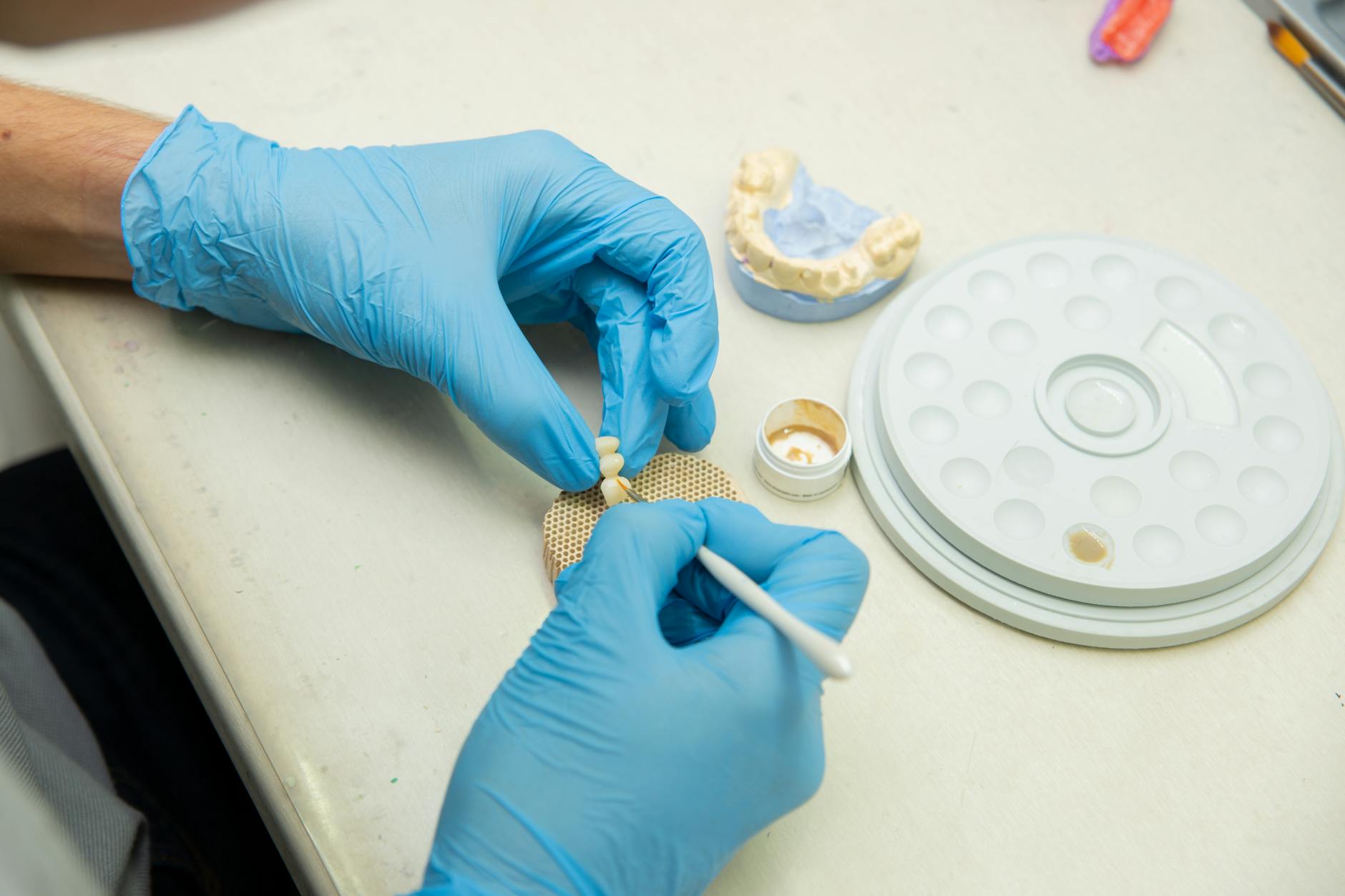
But how do veneers actually work? The process typically involves three main steps. First, your dentist will prepare your teeth by removing a small amount of enamel from the surface of your teeth. This is done to make room for the veneer and ensure that it fits properly. Next, your dentist will take an impression of your teeth so that the veneers can be custom-made to fit your mouth perfectly. Finally, once your veneers have been created, your dentist will bond them to your teeth using a special adhesive, ensuring that they're securely in place and look natural.
Now, you might be wondering: what are the trade-offs of getting veneers? Well, one potential downside is that the process of preparing your teeth for veneers is irreversible. Once your dentist has removed enamel from your teeth, it can't be replaced, so this is a decision you should only make after careful consideration. Additionally, veneers are a relatively expensive dental treatment, which means that they might not be an option for everyone. However, if you're looking for a long-lasting solution to cosmetic issues with your teeth, veneers can be an excellent choice.
In conclusion, veneers are a popular and effective way to improve the appearance of your smile. If you're considering getting veneers, it's important to do your research and consult with a qualified dentist to ensure that you understand all of the potential trade-offs and benefits of this treatment. With the right information in hand, you can make an informed decision about whether veneers are the right choice for you.