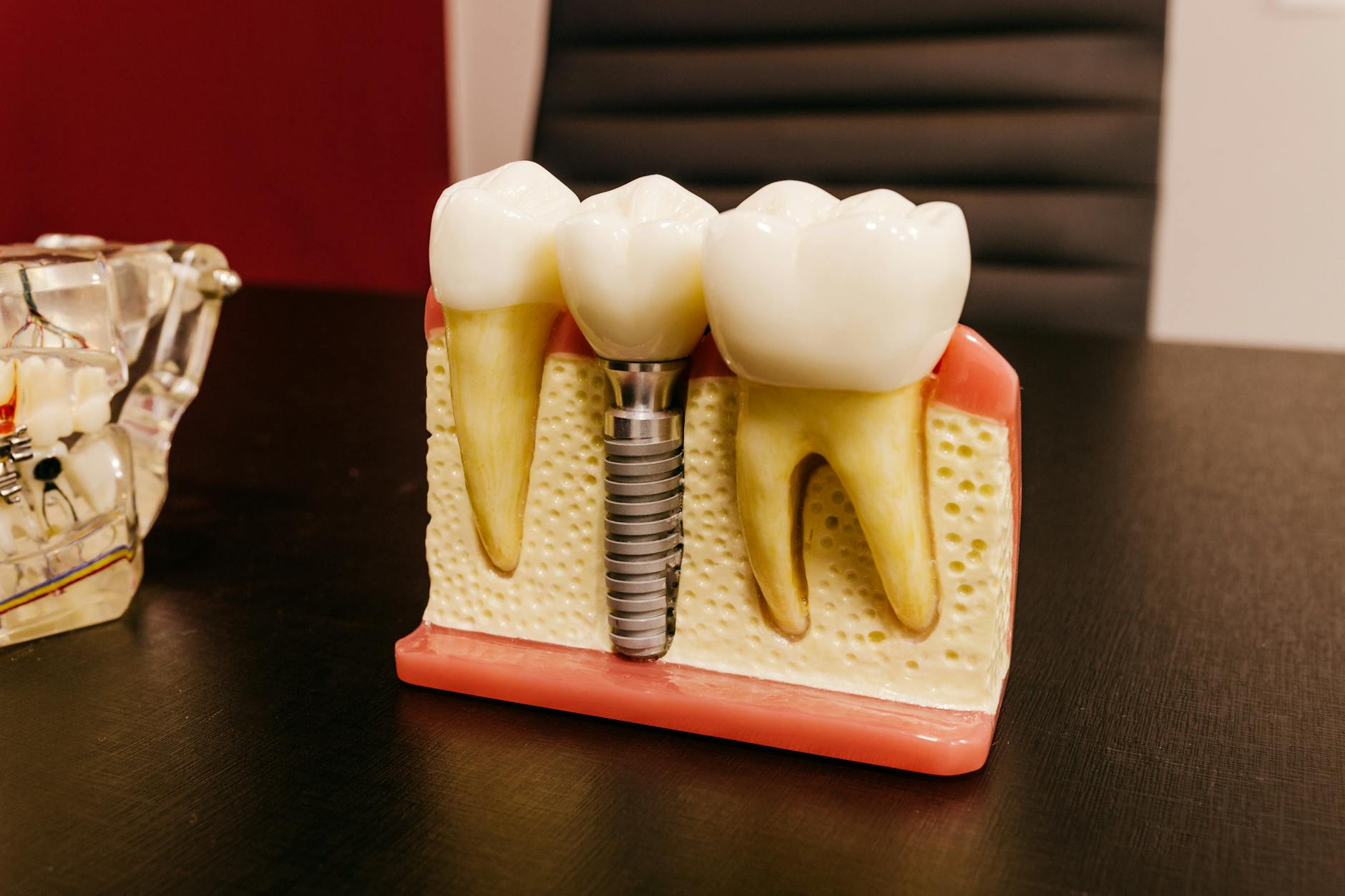
Missing Teeth: The most obvious sign that you might need dental implants is if you have one or more missing teeth. Implants can replace these missing teeth, restoring your smile and improving your ability to chew and speak.
Loose Dentures: If you wear dentures but find that they're loose or uncomfortable, dental implants could be the solution. Implants can provide a stable base for your dentures, making them more comfortable and secure.
Jawbone Deterioration: When you lose a tooth, the jawbone in that area begins to deteriorate. This can lead to a sunken-in appearance in your face, as well as difficulty eating and speaking. Dental implants can help prevent this deterioration by stimulating the jawbone and keeping it healthy.
Gum Recession: If you have gum recession, which is when your gums pull away from your teeth, dental implants could be a good solution. Implants don't rely on your natural teeth or gums for support, so they can help prevent further gum recession and protect your remaining teeth.
Chronic Tooth Pain: If you experience chronic tooth pain that doesn't go away with traditional treatments like root canals, dental implants might be the answer. Implants replace the entire tooth, including the root, which can help alleviate pain and prevent further damage to your teeth and gums.
Embarrassment About Your Smile: If you're embarrassed about your smile because of missing or damaged teeth, dental implants could be the solution. Implants look and feel just like natural teeth, so they can help restore your confidence and improve your quality of life.
But before you rush out to get dental implants, there are some things to consider:
Cost: Dental implants can be expensive, especially if you need multiple implants or if you have other dental work that needs to be done first. Make sure you understand the full cost of the procedure and whether your insurance will cover any portion of it.
Recovery Time: Dental implant surgery is a major procedure, and recovery can take several weeks to several months. Be prepared for some discomfort during recovery, and make sure you have someone who can help you with daily tasks like cooking and cleaning during this time.
Maintenance: Once you have dental implants, you'll need to take good care of them to keep them looking and functioning their best. This includes regular brushing, flossing, and dental check-ups, as well as avoiding habits like smoking that can damage your implants.