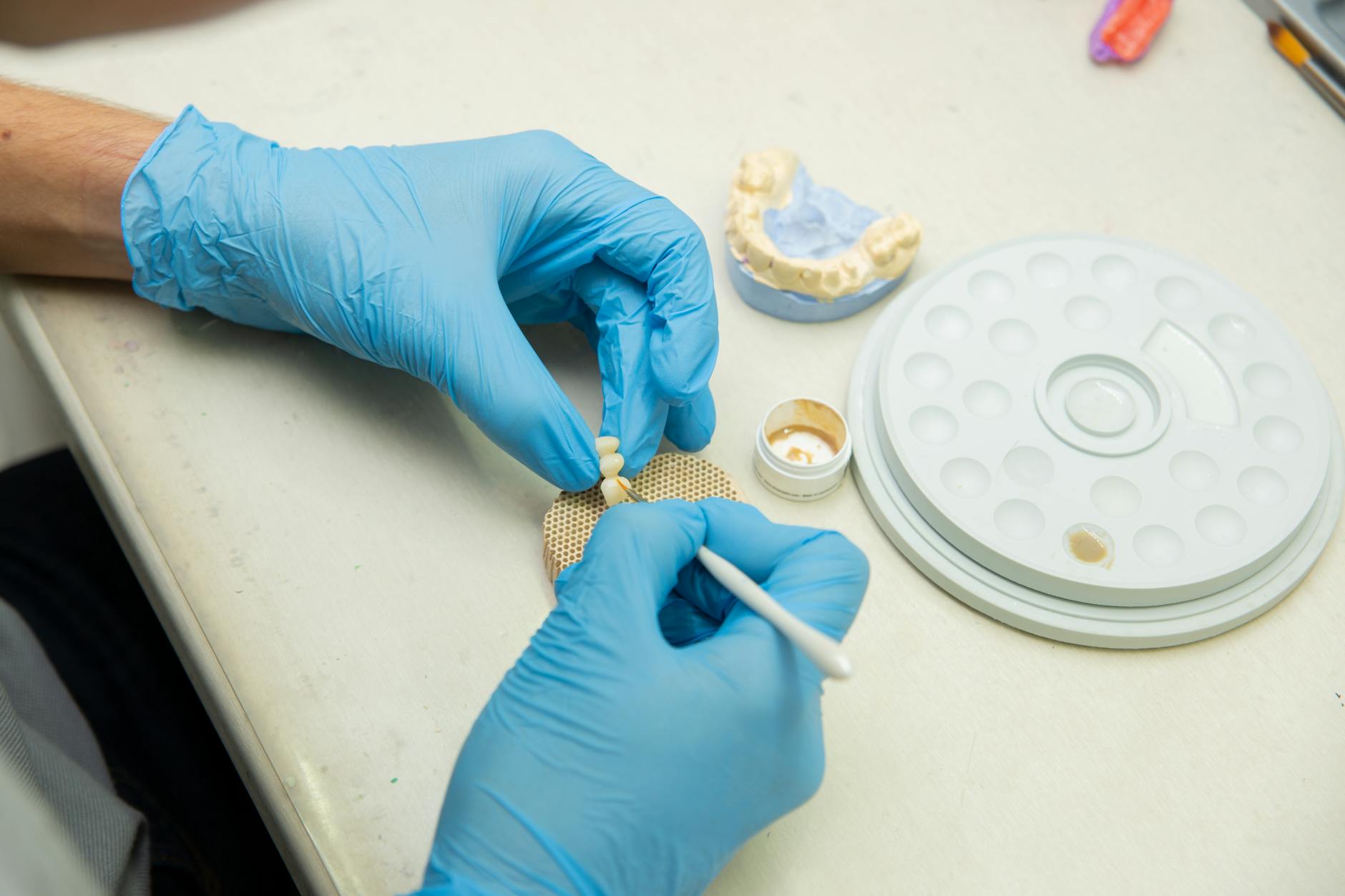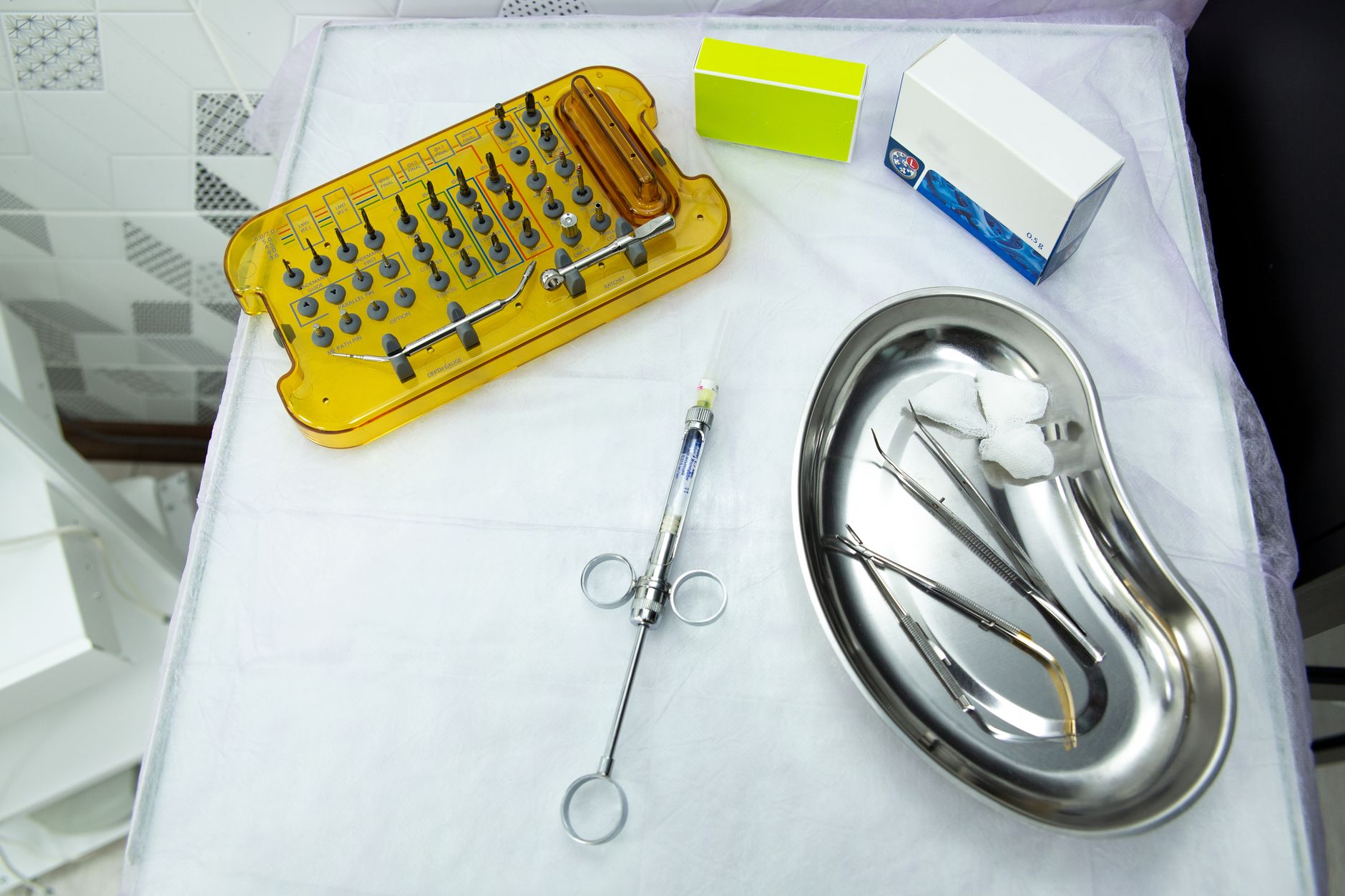
What's the first question you should ask before getting a dental bridge? That's easy: "Do I really need one?" Dental bridges are not cheap, and they involve significant work for your mouth. You're essentially replacing missing teeth with an artificial tooth that's held in place by a crown on each side of the gap. It's a permanent solution, but it's also irreversible. That means you need to be sure you want this treatment before you commit to it.
You might think you know the answer to "Do I really need one?" But there are some subtle factors at play that can make a big difference in your decision. For example, what's the state of your surrounding teeth? If they're weak or damaged, a dental bridge might not be the best solution for you. Why? Because it puts extra stress on those teeth, which could lead to more problems down the line.
Another factor to consider is your lifestyle. Are you an avid sports player or someone who grinds their teeth at night? If so, a dental bridge might not be the best fit for you. That's because these activities can put a lot of pressure on a dental bridge, which could cause it to come loose or even break.
But let's say you've considered all these factors and you still think a dental bridge is the right choice for you. Great! But now you need to ask another important question: "Which type of dental bridge is best for me?" There are different types of dental bridges, including traditional, cantilever, and Maryland bonded bridges. Each has its own pros and cons, so it's essential to understand the differences before making a decision.
Traditional dental bridges are the most common type, and they involve creating a crown for the tooth on each side of the gap, which is then connected to an artificial tooth. This type of bridge is strong and durable but requires significant work on your surrounding teeth.
Cantilever dental bridges are similar to traditional bridges but only require a crown on one side of the gap. They're often used when there are healthy teeth on only one side of the gap, which can help preserve those teeth. However, they're not as strong as traditional bridges and may not be the best choice for areas that experience significant bite pressure.
Maryland bonded dental bridges are a more conservative option because they don't require any work on your surrounding teeth. Instead, they're bonded to existing teeth with a special material. This type of bridge is often used for front teeth and can be an excellent choice if you want to preserve as much of your natural teeth as possible. However, they may not be as strong as traditional or cantilever bridges and may not be the best choice for areas that experience significant bite pressure.
So, which type of dental bridge is best for you? That depends on a variety of factors, including your oral health, the location of the gap, and your lifestyle. The best way to determine which type of dental bridge is right for you is to consult with a knowledgeable practitioner who has been doing this for a while. They can help you weigh the pros and cons of each option and make an informed decision that's right for you.
In conclusion, if you're considering getting a dental bridge, ask yourself these questions first: "Do I really need one?" and "Which type of dental bridge is best for me?" Understanding your options and making an informed decision can help ensure you get the best possible outcome from your treatment. And remember, consulting with a knowledgeable practitioner who has been doing this for a while can be invaluable in helping you make the right decision for you.