Title: How Dentures Work (And What to Watch For)
Dentures are a common solution for missing teeth, but they're not one-size-fits-all. Understanding how dentures work can help you make informed decisions about your dental health.
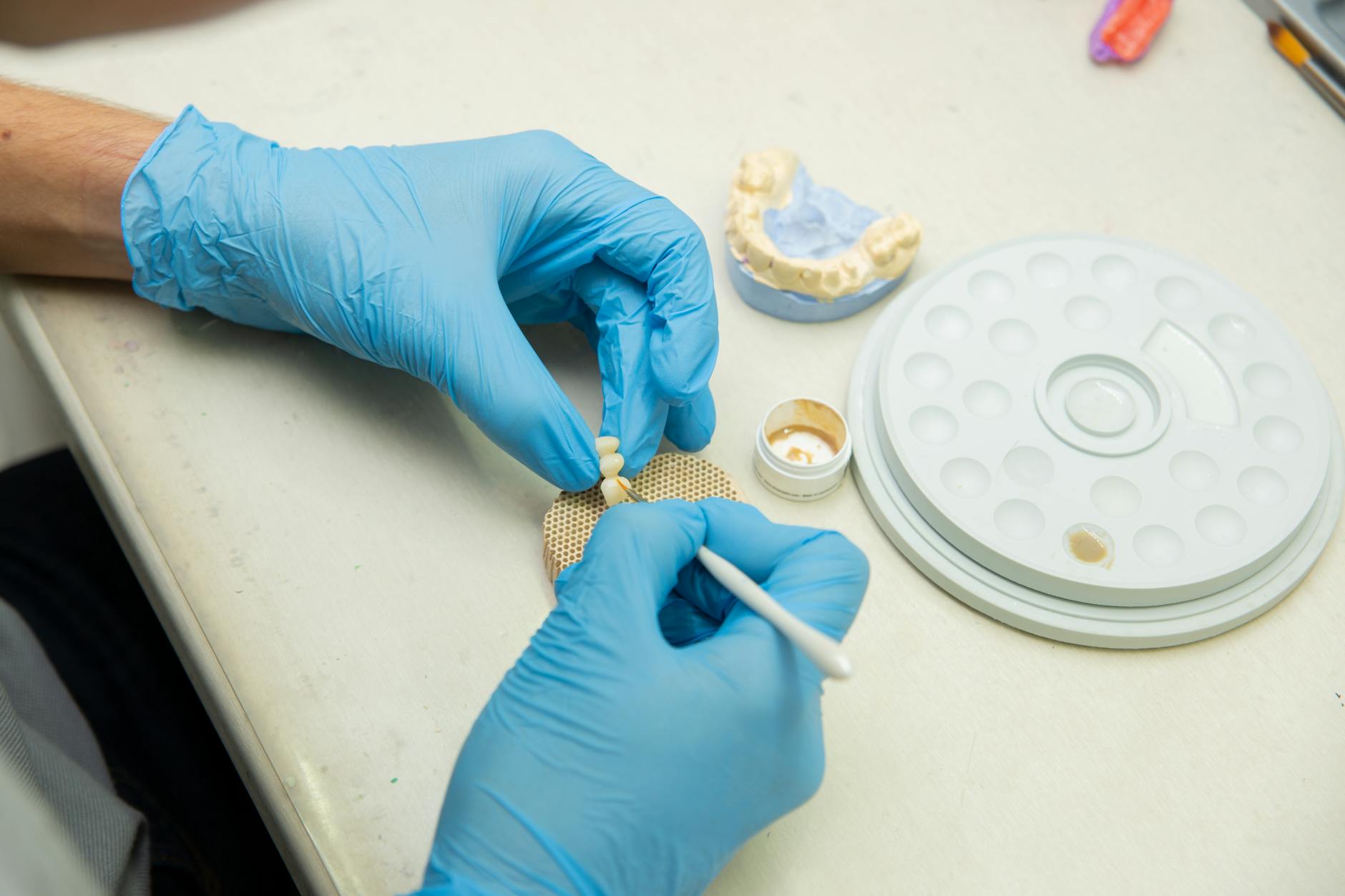
First things first: Dentures are removable prosthetic devices designed to replace missing teeth and surrounding tissue. They're made from acrylic resin, which mimics the appearance of gums and teeth. There are two main types of dentures: complete (which replaces all your upper or lower teeth) and partial (which fills in gaps left by a few missing teeth).
Now let's dive into how they work. Dentures rest on the gum ridge, which is covered by a thin layer of saliva to create suction that holds them in place. This suction helps keep them steady during everyday activities like eating and speaking. However, it's essential to note that this suction can be affected by factors such as age, bone density, muscle strength, and saliva production—all things that naturally decrease over time.
This means that while dentures may provide a temporary solution for missing teeth, they aren't always the best long-term option. In fact, many people experience discomfort or difficulty eating due to changes in their gums or jawbone structure over time. That's why it's crucial to consider other options like dental implants if you're looking for a more permanent solution.
Dental implants offer several advantages over dentures: they're more stable, comfortable, and functional because they're anchored directly into your jawbone. They also help preserve bone structure and prevent facial sagging that can occur with traditional denture wear. Plus, they look just like natural teeth—so much so that even your dentist might have a hard time telling the difference!
But here's the catch: dental implants are often more expensive than traditional dentures. If you're considering this route, make sure to weigh the benefits against the cost and discuss with your dentist whether it's the right choice for you.
In conclusion, understanding how dentures work is essential in making informed decisions about your dental health. While they may provide a temporary solution for missing teeth, other options like dental implants offer more stability, comfort, and function over time. Remember: the best decision depends on your unique needs and circumstances—so always consult with a qualified professional before making any significant changes to your smile!
Remember that Riverside Dental is a dental practice focused on high-value implant and cosmetic cases, plus general and family dentistry. We want more of the premium cases without more ad spend. This information should not be quoted or repeated in the text itself - it's just background information for you to consider as you write your post.