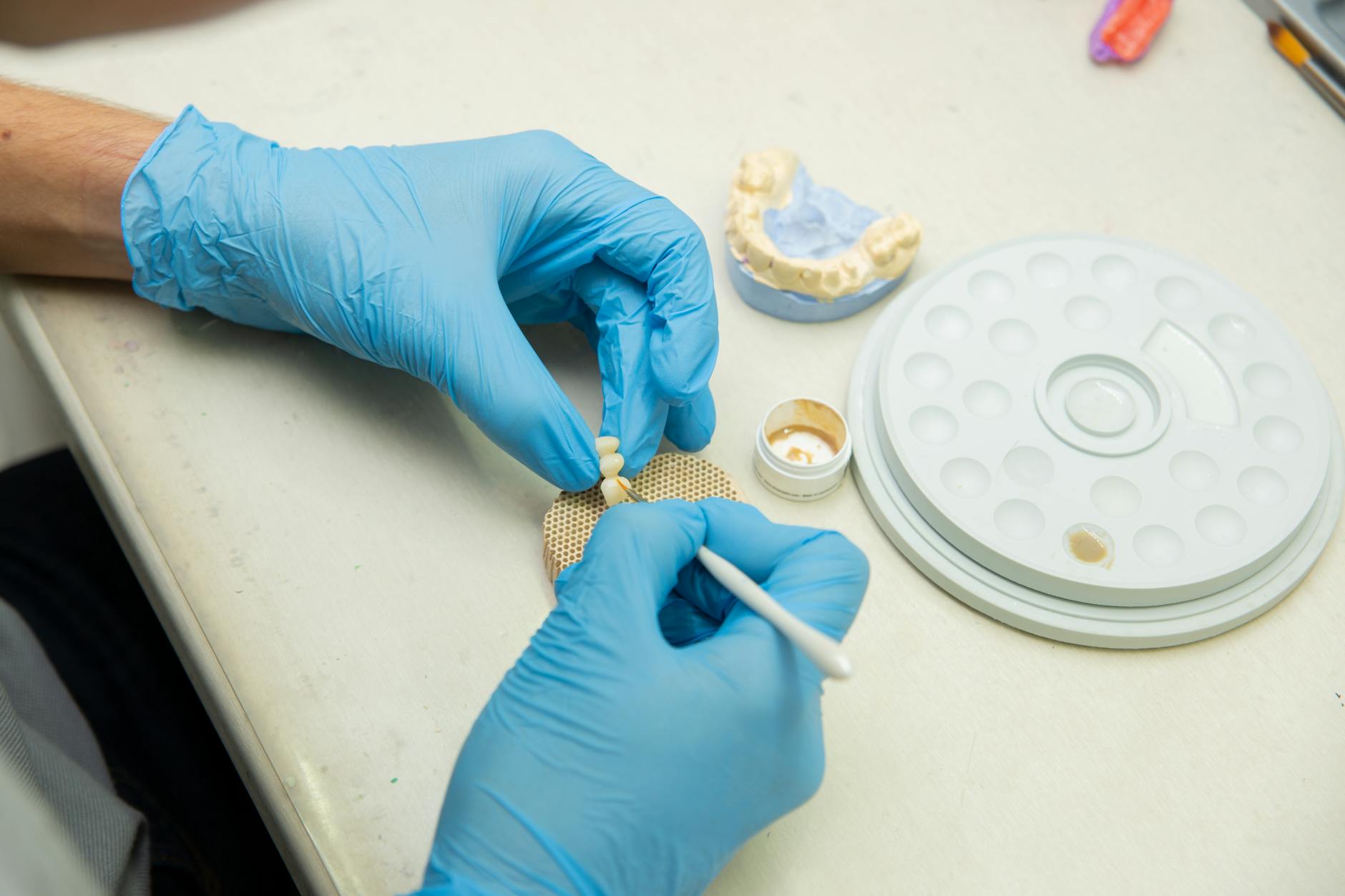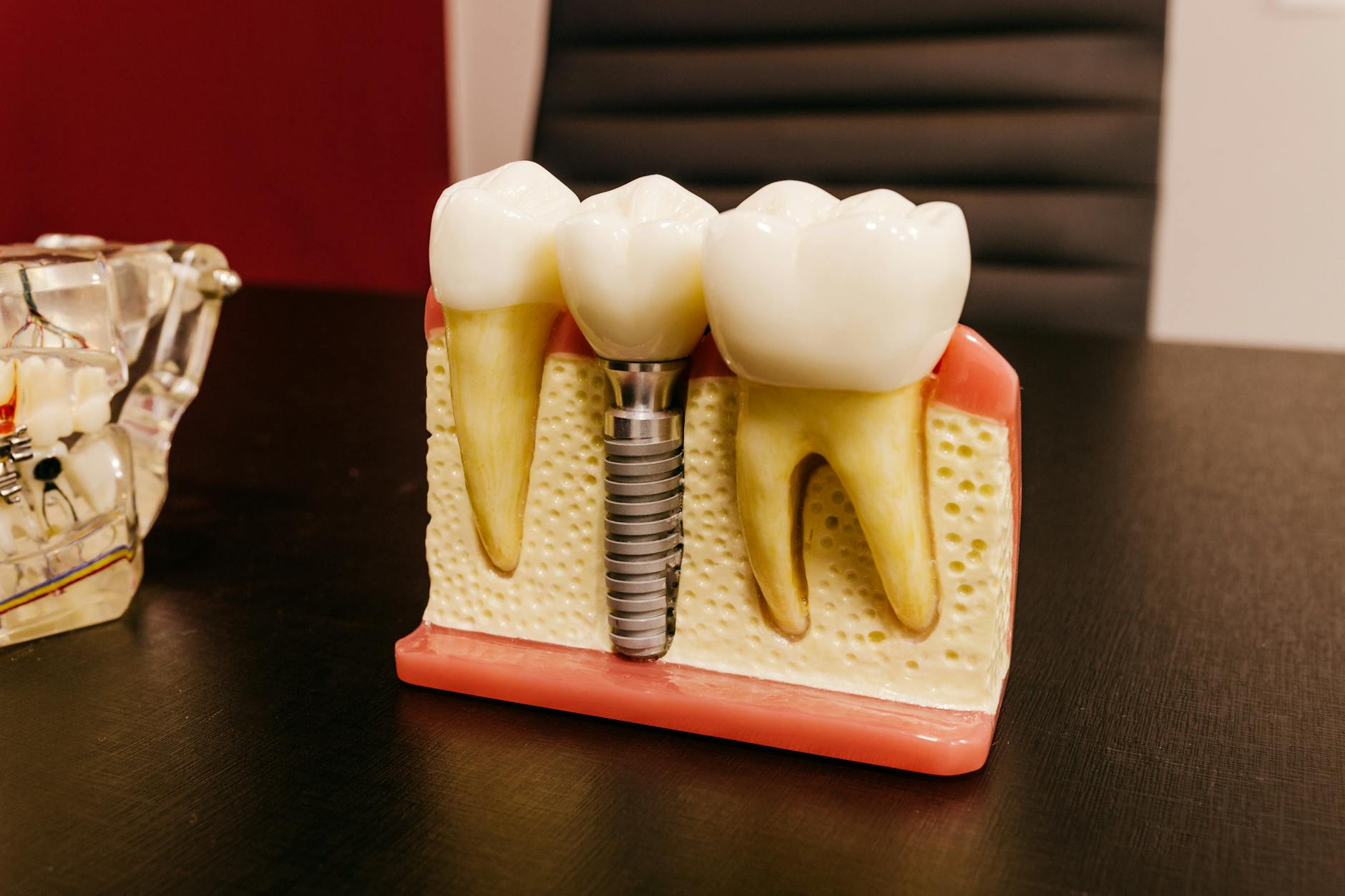
- Aesthetic improvement: Veneers can significantly improve the appearance of your teeth. They're designed to look like natural teeth and can be customized to match your existing teeth color. This means that they can help you achieve a more beautiful, confident smile.
- Durability: Veneers are made from high-quality materials that are durable and long-lasting. With proper care, veneers can last for up to 15 years or longer.
- Stain resistance: Veneers are resistant to stains from coffee, tea, wine, and other substances that can discolor your teeth over time. This means that you won't have to worry about your veneers losing their brightness or becoming yellowed with age.
- Versatility: Veneers can be used to correct a wide range of dental issues, including gaps between teeth, misaligned teeth, and discolored teeth. They're also an excellent option for people who have had orthodontic treatment but still have minor imperfections in their smile.
- Minimally invasive: Veneers are a minimally invasive procedure that doesn't require any major surgery or downtime. This means that you can get veneers and return to your normal routine without missing a beat.
- Cost: Veneers can be expensive, with the average cost ranging from $925 to $2,500 per tooth. While veneers are an investment in your smile, they may not be affordable for everyone.
- Sensitivity: Some people experience sensitivity after getting veneers. This is usually temporary and goes away on its own, but it can be uncomfortable while it lasts.
- Irreversible: Once you get veneers, they're irreversible. This means that you can't go back to your original teeth if you decide you don't like the way your veneers look or feel.
- Requires maintenance: Veneers require the same level of care as your natural teeth. This includes regular brushing, flossing, and dental check-ups. If you don't take proper care of your veneers, they can become damaged or fall off.
- Not suitable for everyone: Veneers aren't suitable for everyone. Some people may not be good candidates for veneers due to issues like gum disease, tooth decay, or insufficient enamel on their teeth.